

Bottom Line: Berberine won't replace Ozempic for serious metabolic disease — but for millions of people, it's a smarter, safer, cheaper first step. Read on to find out which camp you're in.
Somewhere between a TikTok video and a $1,200 pharmacy bill, millions of people started asking a dangerous question: What if there's a $25 plant extract that does 70% of what Ozempic does — without the injections, the muscle loss, or the "Ozempic face"?
The internet exploded. Wellness influencers called it "Nature's Ozempic." Pharmaceutical companies stayed quiet. Your doctor probably shrugged — they likely never studied it in medical school. And you're still standing at the supplement aisle wondering what the truth actually is.
We reviewed 40+ clinical trials, meta-analyses, and peer-reviewed studies to give you the real answer. No hype. No pharmaceutical agenda. Just data — and honest guidance on what works for whom.
What Even IS Berberine?
Berberine is a bright yellow alkaloid compound found in plants like barberry, goldenseal, and Oregon grape. It's been used in Traditional Chinese Medicine and Ayurvedic practice for over 3,000 years — long before "GLP-1 agonist" was even a phrase.
So why is it trending now? Two catalysts:
First: Ozempic went mainstream for weight loss, then immediately became impossible to afford or access for most people. Second: researchers started publishing compelling data showing berberine activates AMPK — the same metabolic "master switch" that exercise triggers. That's not a small thing. That's genuinely interesting science.
The result? A $20–30 supplement flying off shelves faster than pharmacies can keep Ozempic in stock — and a legitimacy debate that's long overdue.
How Ozempic Works
Ozempic (semaglutide) is a GLP-1 receptor agonist. It mimics a gut hormone called glucagon-like peptide-1. In plain English: it signals your brain that you're full, slows gastric emptying so food moves slowly, and prompts timely insulin release from your pancreas.
The clinical trial results are real and impressive. In the STEP trials, participants lost an average of 15%+ of body weight over 68 weeks. For people with serious obesity and metabolic disease, semaglutide can be medically significant.
But here's what the commercials don't emphasize: 25–40% of weight lost on Ozempic comes from lean muscle mass, not just fat. That's a significant long-term health concern. "Ozempic face" — the gaunt, aged appearance from rapid fat loss — is real. And the exit problem: when people stop taking it, studies show they regain approximately two-thirds of the weight lost.
It's a powerful tool. For many people, it's also a very expensive, injectable intervention with a difficult off-ramp.
How Berberine Works (The Part Nobody Taught You)
Berberine takes a completely different route to overlapping outcomes. Instead of hitting your brain's satiety signals, it operates at the cellular level:
AMPK Activation: Berberine activates AMP-activated protein kinase — the enzyme that governs how your cells use energy. This is the same pathway activated by exercise and calorie restriction. It improves how efficiently your body processes glucose and burns stored fat.
Insulin Sensitivity: Multiple peer-reviewed studies demonstrate berberine can significantly improve insulin resistance — one of the root causes of weight gain, type 2 diabetes, PCOS, and metabolic syndrome.
Gut Microbiome: Emerging research indicates berberine reshapes gut bacteria in ways that support metabolic health. This is an area semaglutide simply doesn't address.
Cholesterol & Lipids: This is where berberine may actually outperform Ozempic — it consistently improves LDL, triglycerides, and HDL in studies, an outcome GLP-1 drugs produce only modestly.
Side-by-Side: The Real Comparison
Quick Visual Summary: Save this comparison for reference. Ozempic wins on weight loss speed, berberine wins on cost, safety, and muscle preservation.
| Category | Berberine | Ozempic (Semaglutide) |
|---|---|---|
| Monthly Cost | $15–$30 | $900–$1,400 |
| Weight Loss | Modest: ~2–5% body weight over 12 weeks | Significant: 15%+ over 68 weeks |
| Blood Sugar Control | Strong evidence — comparable to some oral T2D drugs | Excellent — FDA-approved for type 2 diabetes |
| LDL Cholesterol | Strong, consistent improvement in studies | Modest improvement |
| Muscle Mass | No known lean muscle loss | 25–40% of weight loss is lean muscle |
| Delivery Method | Oral capsule | Weekly self-injection |
| Prescription Required | No — over-the-counter | Yes — requires physician |
| Common Side Effects | Mild GI discomfort (usually temporary) | Nausea, vomiting, "Ozempic face," muscle wasting |
| Stopping the Drug | Unknown long-term data | ~⅔ of lost weight returns after stopping |
| Gut Health | Supports microbiome diversity | No known gut microbiome benefit |
| Drug Interactions | Can interact with metformin, blood thinners | Multiple — requires physician management |
The Myths That Need to Die
Myth: "Berberine is just a placebo — there's no real research behind it."
Truth: Hundreds of peer-reviewed studies exist on berberine — many published in journals like Metabolism, Journal of Clinical Endocrinology & Metabolism, and Phytomedicine. A 2021 systematic review found strong evidence supporting berberine's role in type 2 diabetes management. The research base is real. It's smaller than Ozempic's FDA trial dataset — but "smaller dataset" is not the same as "no evidence."
Myth: "Berberine IS Nature's Ozempic — it works the same way."
Truth: They work via completely different mechanisms. Berberine activates AMPK at the cellular level. Ozempic mimics GLP-1 to suppress appetite centrally. They reach overlapping outcomes — better blood sugar, modest weight loss — through entirely different pathways. "Nature's Ozempic" is a catchy label that's actually misleading. Berberine has its own distinct profile, with advantages in cholesterol, muscle preservation, and gut health that Ozempic doesn't share.
Myth: "All berberine supplements on the market are essentially the same."
Truth: This is genuinely alarming. Independent potency testing of 33 commercially available berberine supplements found that 18 contained less than 40% of their labeled dose. Seven had less than 1% active ingredient. You could be spending $30 a month on a product with virtually zero therapeutic value. Third-party testing is not a bonus feature — it's the only way to know what you're actually taking.
Who Should Choose What?
Berberine may be the right starting point if:
You're managing prediabetes, insulin resistance, PCOS, or mildly elevated blood sugar. You want to improve metabolic health without a prescription. The $900+/month cost of Ozempic is not realistic for you. You're not comfortable with weekly self-injections. You want to address cholesterol and blood sugar simultaneously. You're looking for a long-term lifestyle supplement, not a dramatic short-term intervention.
Ozempic may be appropriate if:
You have diagnosed type 2 diabetes and require significant, fast-acting blood sugar control. You have severe obesity with weight-related comorbidities that create genuine medical urgency. A physician has evaluated you, determined the risk/benefit ratio is favorable, and you can access it consistently. Stopping and restarting Ozempic carries its own risks from weight cycling — this is not a casual "try it and see" medication.
For the millions of people who are metabolically struggling but don't qualify for — or can't realistically afford — Ozempic, berberine is not a consolation prize. It's a legitimate, evidence-based intervention that Western medicine undervalued for decades.
Looking for Metabolic Support You Can Trust?
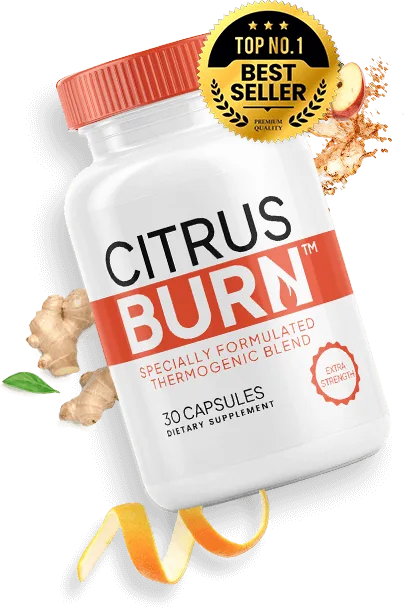
Citrus Burn combines metabolic-support ingredients — third-party verified, no proprietary blends. Designed for people serious about blood sugar management and natural fat burning.
View Citrus Burn →Affiliate link. Educational content only. Not medical advice.
Dosage & What to Actually Look For
Most clinical studies on berberine used 500mg, two to three times daily with meals — totaling 1,000–1,500mg per day. The "with meals" part matters: berberine's absorption is meaningfully better when taken alongside food.
Not all berberine forms are equal. Standard berberine HCl has modest bioavailability. Dihydroberberine (DHB) — a form your body naturally converts berberine into — may absorb up to 5x more efficiently. When comparing products, look at the form and the third-party testing, not just the milligram count on the label.
Timeline: blood sugar markers typically begin shifting within 2–4 weeks. Meaningful body composition changes take 8–12 weeks. This is not a weekend fix. It's a metabolic intervention that works the way real, sustainable change works — gradually, and compoundingly.
The Bottom Line Nobody Gives You
Ozempic is a powerful pharmaceutical tool. For people with serious metabolic disease under proper medical supervision, it can be genuinely transformative. That's real, and it deserves acknowledgment.
But the idea that a $25 plant compound with 3,000 years of use and hundreds of clinical studies is irrelevant because it lacks a Novo Nordisk marketing budget behind it? That's not science. That's economics.
Berberine won't produce the same dramatic weight loss numbers as semaglutide. But it will improve insulin sensitivity, support cholesterol, protect gut health, and preserve your muscle — all without a prescription, a needle, or a $1,000 monthly bill.
For most people reading this — managing prediabetes, dealing with stubborn weight, struggling with PCOS, or trying to get metabolic health under control before it becomes a crisis — berberine deserves to be taken seriously.
Use what the evidence supports. Understand what you're taking. And always, always buy from a source that tests what's actually in the bottle.
Frequently Asked Questions
No — Ozempic produces significantly more weight loss (15%+ body weight over 68 weeks) compared to berberine (~2–5% over 12 weeks). However, berberine offers advantages in cholesterol improvement, muscle mass preservation, accessibility, and cost.
For people with serious type 2 diabetes or severe obesity requiring significant intervention, no. For people with mild insulin resistance, prediabetes, PCOS, or early metabolic concerns, berberine is a well-supported, evidence-based option at a fraction of the cost.
Clinical studies typically use 500mg of berberine HCl taken 2–3 times daily with meals, totaling 1,000–1,500mg per day. Taking it with food improves absorption. Look for third-party tested products — over 60% of supplements on the market fail potency standards.
No. Current studies do not show berberine causing lean muscle loss. This is a significant advantage — 25–40% of weight lost on Ozempic is lean muscle mass, which has long-term consequences for metabolism, mobility, and health.
The most common are mild GI symptoms: bloating, diarrhea, or nausea when starting. These typically resolve within 1–2 weeks. More importantly: berberine can interact with metformin (additive blood sugar lowering effect) and blood thinners. Consult a doctor if you're on either.
Blood sugar and insulin sensitivity markers typically begin shifting within 2–4 weeks. Meaningful body composition changes take 8–12 weeks of consistent use. Results compound over time — this is a metabolic intervention, not a quick fix.
Ready to Support Your Metabolism the Evidence-Based Way?
Citrus Burn — our top pick for metabolic support, blood sugar management, and natural fat burning. Third-party tested, no proprietary blends.
Get Citrus Burn on Official Site →Affiliate link. Educational content only. Not medical advice. Individual outcomes vary.
Affiliate Disclosure: NovaHealthLab participates in affiliate programs. Some links in this article are affiliate links — we may earn a commission if you make a purchase, at no additional cost to you. We only recommend products we have independently reviewed for quality, ingredient transparency, and third-party testing. Our editorial opinions are not influenced by affiliate relationships.
Found this comparison helpful? Share it with someone who's considering Ozempic or looking for metabolic support alternatives. Real information helps real people make better decisions.