
Why Your Knee Pain Feels Bone-on-Bone — Joint Genesis Support Guide
If your knee pain feels bone-on-bone even with rest and treatment, the real cause is usually shrinking synovial fluid — not cartilage damage alone. Here's what actually helps.

Joint Genesis
Daily support for your joint reset
If your knee feels like it is grinding or rubbing on bone, the issue is often not the cartilage itself — it is the loss of the joint fluid that cushions every step.
The sharp, bone-on-bone feeling is usually a warning sign that your joint lubrication has thinned and the nerve endings around the joint are now hypersensitive.
When synovial fluid dries out, your knee no longer glides smoothly. That is what creates the feeling of bone-on-bone contact during normal movement.
Quick Navigation
1. Why Your Knee Pain Feels Bone-on-Bone
If your knee pain feels bone-on-bone even after rest and standard treatments, the deeper issue is usually synovial fluid depletion — not just worn cartilage. Without adequate lubrication, every step compresses unprotected joint surfaces.
This article is written around the one thing most people miss: if the underlying environment is weak, symptoms will come back no matter what temporary fix you use.
2. The Real Cause: Dry Synovial Fluid and Joint Friction
Most health advice focuses on quick relief. The stronger path is to support the system that keeps the area stable and resilient.
For Joint Genesis, the most important part of recovery is reducing stress on the system while restoring the natural support that was lost over time.
| Signal | What It Means | What To Do |
|---|---|---|
| Persistent knee pain feels bone-on-bone | The system around the pain is not being supported properly. | Support it with a consistent reset and the right product. |
| Stuck progress | Temporary relief is masking, not fixing, the real cause. | Pair routine support with a formula designed for your category. |
| Recurring flare-ups | The underlying environment needs better circulation and resilience. | Use a daily reset to reinforce the system and help it recover. |
3. A Simple 3-Step Joint Lubrication Reset
This routine is designed to help your body rebuild the support system that removes the sensation of knee pain feels bone-on-bone.
Step 1: Warm the Area
Start with a gentle movement or massage to increase circulation and prepare the tissue.
Step 2: Activate Support
Use a controlled motion pattern that helps fluid and nutrients move into the stressed area.
Step 3: Stabilize
Finish with a gentle hold or decompression to relieve pressure and calm the area.
4. When Topical Joint Support Makes Sense
A topical formula can help reduce nerve sensitivity and support joint fluid function without the grease and sting of standard drugstore gels. When the system still needs help, a product like Joint Genesis becomes a useful second layer of support.
Joint Genesis is designed to work with the routine above. It can help calm sensitivity, support local recovery, and make the daily reset more effective.
Use it consistently as part of a broader plan rather than a one-time fix.
Support the system, not just the symptom.
Learn More About Joint Genesis →Frequently Asked Questions
Medical Disclaimer & Affiliate Disclosure
Medical Disclaimer: This article is for informational purposes only and is not a substitute for professional medical advice.
Affiliate Disclosure: Nova Health Lab participates in the ClickBank affiliate program. We may earn a commission when you purchase through links on this page at no extra cost to you.
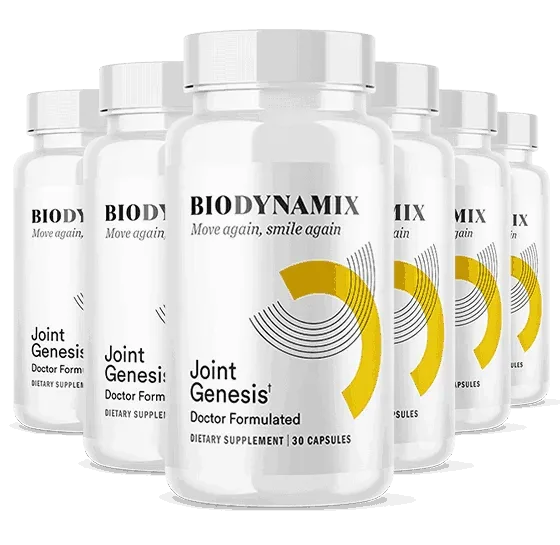
Ideal for readers who want a category-specific support strategy.
Visit Official ClickBank Store →