

- The hidden mechanism: Your oral microbiome is shifting
- Why traditional dental care accelerates the problem
- What happens after 50: The perfect storm
- The breakthrough: Bacterial rebalancing with oral probiotics
- How it works: The 4-step mechanism
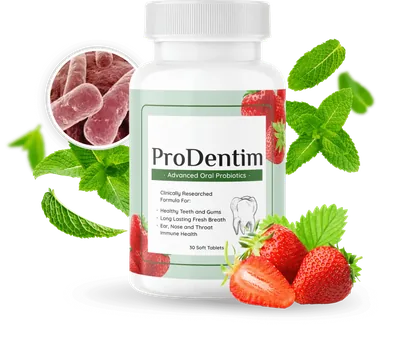
- ProDentim: The oral probiotic gaining attention
- Why people over 50 are paying attention
- FAQ
Why Traditional Dental Care Accelerates the Problem
Your dentist's training is focused on one thing: removing disease. They clean, drill, fill, and treat. But here's the problem: They rarely rebuild what's actually broken — the microbiome itself.
Standard dental interventions often make the problem worse:
- Antibacterial mouthwash: Kills ALL bacteria, including the protective species you need. After use, harmful bacteria colonize the empty space faster than beneficial ones can.
- Antibiotics: Destroy your natural ecosystem. The bacterial species keeping pathogens in check are gone.
- Frequent cleanings: Remove biofilm, sure. But don't restore protective bacteria. It's like burning down a forest to control weeds.
Every time you use antibacterial mouthwash or take antibiotics for dental issues, you're not just solving the immediate problem. You're destabilizing your oral microbiome — making future infections MORE likely, not less.
What Happens After 50: The Perfect Storm
As you enter your 50s, three critical changes happen simultaneously:
These three factors create the perfect environment for harmful bacteria to thrive, resulting in:
- Persistent bad breath that regular brushing won't fix
- Bleeding or receding gums
- Loose or hypersensitive teeth
- Increased dental expenses (cleanings, fillings, root canals)
Most people treat each symptom separately. But the root cause — bacterial imbalance — quietly gets worse.
The Breakthrough: Bacterial Rebalancing With Oral Probiotics
What if, instead of killing bacteria, you reintroduced the beneficial strains that protect you?
That's the principle behind oral probiotics. Rather than fighting bacteria, this approach works with your body's natural systems. You introduce clinically studied bacterial strains that:
- Colonize your mouth and gums
- Compete with harmful bacteria for resources and space
- Produce compounds that reduce inflammation
- Support your mouth's natural immune response
This is the same mechanism that makes gut probiotics work. Harvard Health and other research institutions have now documented that microbiome-focused approaches are fundamentally changing how we approach oral health — even though most dentists haven't caught up yet.
Oral probiotics work through ecological competition, not chemical warfare. When you introduce beneficial bacteria like Lactobacillus reuteri, they colonize the same surfaces as pathogenic species. The beneficial strains are better competitors in a healthy environment, naturally suppressing the harmful bacteria.
How It Works: The 4-Step Mechanism
The Colonization Cascade
Beneficial bacteria colonize
Probiotic strains establish themselves on your gums and tooth surfaces
They crowd out harmful strains
Beneficial bacteria compete for space and nutrients, naturally suppressing pathogens
Inflammation naturally reduces
The immune system's burden decreases as the bacterial environment stabilizes
Gums and breath improve
Within 4–8 weeks: fresher breath, reduced bleeding, improved gum health
ProDentim: The Oral Probiotic Gaining Attention
One supplement that's gained significant traction is ProDentim — a chewable oral probiotic specifically formulated for dental health.
Rather than antibiotics or antimicrobial chemicals, ProDentim contains clinically studied bacterial strains designed to support gum health, fresh breath, and oral bacterial balance. The mechanism is simple: introduce beneficial bacteria, let them do what they've evolved to do.
The product combines multiple probiotic strains including Lactobacillus reuteri — the most extensively researched strain for oral health support — along with supporting botanicals designed to optimize colonization and longevity.
Science-Backed Bacterial Rebalancing
If you've tried traditional dental approaches and they haven't solved your gum or breath issues, a microbiome-focused approach backed by emerging research may be worth exploring.
Explore ProDentim →Why People Over 50 Are Paying Attention to This
- No harsh chemicals or antibiotics — Works with your body, not against it
- Easy daily routine — One chewable tablet, integrated into existing oral care
- Targets root cause — Not just treating symptoms like bad breath or bleeding gums
- Backed by emerging science — Multiple studies show oral probiotics improve gum health markers
What The Research Actually Shows
Several clinical studies have demonstrated that specific probiotic strains reduce gum inflammation, decrease bleeding and sensitivity, and improve overall oral health markers. A 2022 study published in Nutrients found that probiotic supplementation significantly improved periodontal health in adults over 40.
While larger, longer-term studies are still needed (as with any emerging field), the evidence is far stronger than most people realize — especially for people who've tried everything else and seen minimal improvement.
Who Should Consider This Approach?
- Adults 45+ with recurring gum problems
- People with chronic bad breath
- Anyone dealing with bleeding or sensitive gums
- People frustrated by traditional dental approaches that haven't worked
What People Actually Experience
Based on user reports and clinical observations:
- Fresher breath: Within 2–4 weeks
- Less gum sensitivity: Reduced bleeding and tenderness
- Improved comfort: Overall oral comfort improves over 4–8 weeks
Individual results vary based on baseline oral health and consistency of use. But the pattern is consistent: microbiome rebalancing works.
Frequently Asked Questions
Emerging clinical research shows certain probiotic strains can reduce gum inflammation, bleeding, and pocket depth. While more large-scale studies are needed, evidence is compelling for people with existing gum issues. The key is consistency and the right bacterial strains — especially Lactobacillus reuteri.
Most users report fresher breath within 2–4 weeks. Gum health improvements like reduced bleeding typically take 4–8 weeks. Results vary based on individual microbiome composition and consistency of use. Microbiome rebalancing is gradual — you're rebuilding an ecosystem that took years to destabilize.
You can, but for best results, space them out. Take probiotics at least 2–3 hours away from antibiotics to ensure the beneficial strains aren't destroyed by the medication. After finishing antibiotics, oral probiotics become even more valuable for recolonization.
No. Oral probiotics work best as part of a complete oral health routine that still includes brushing, flossing, and regular dental visits. They address the bacterial ecosystem piece that traditional oral care misses — the invisible foundation beneath everything else.
When used as directed, oral probiotics are generally safe. They introduce beneficial bacteria rather than using harsh chemicals. Always consult your dentist before starting, especially if you have immunodeficiency conditions or take prescription medications.
Take Control of Your Oral Health
If you're tired of temporary fixes and recurring gum problems, it's time to try a science-backed approach that addresses the bacterial imbalance nobody else is talking about.
Learn More About ProDentim →Affiliate link. Educational content only. Not medical advice. Individual outcomes vary.