

Why Food Matters More Than Most People Realise
Most people treat joint pain as a mechanical problem — wear and tear, bone density, cartilage erosion. And while those are real factors, the research is increasingly clear that chronic low-grade inflammation is the primary driver behind most age-related joint deterioration — and inflammation is profoundly shaped by what you eat, every single day.
Your synovial fluid — the gel that lubricates every joint — is composed largely of hyaluronic acid, which your body manufactures from nutrients. That manufacturing process speeds up or slows down depending on what you feed it. Similarly, the enzymes that break down cartilage (COX-2, 5-LOX) are either activated or suppressed by compounds found in everyday food.
Every meal either contributes to systemic inflammation (which accelerates joint breakdown) or reduces it (which protects and rebuilds). There is no neutral eating for your joints.
Want More Than Just Diet?
While nutrition is foundational, clinical research shows targeted supplementation can accelerate joint recovery. Our top recommendation combines proven ingredients with food-based approaches.
See Our #1 Joint Supplement →Mobilee® Technology – 14 Clinical Trials – 180-Day Guarantee
The 15 Best Foods for Joint Health
These are ranked by the strength and consistency of the evidence behind them — not by trends or popularity.
5 Foods That Are Quietly Destroying Your Joints
This is the section most people do not want to read. But if you are eating the joint-healthy foods above while also regularly eating these, you are fighting yourself.
Sugar triggers the release of cytokines — the very inflammatory signalling molecules that accelerate joint breakdown. Studies show even one sugary drink per day measurably elevates CRP, a primary inflammation marker. Sodas, fruit juices, pastries, and most packaged snacks are the main culprits.
High-glycaemic foods spike blood sugar, which triggers an insulin response, which drives inflammatory cytokine production. The glycaemic index of your diet is one of the most powerful levers you have over systemic inflammation — and most people are pulling it in the wrong direction.
Advanced glycation end-products (AGEs) formed during high-heat frying directly stimulate inflammation. Trans fats (partially hydrogenated oils) — still present in many processed foods — actively suppress the omega-3 pathways that protect your joints.
High in Neu5Gc — a compound humans cannot naturally produce, triggering an immune response when consumed. Also loaded with saturated fat and AGEs from processing. The evidence linking processed meat to systemic inflammation is among the strongest in nutritional research.
Even moderate alcohol intake measurably disrupts gut microbiome balance, increasing intestinal permeability — the mechanism behind much systemic inflammation. Alcohol also directly interferes with vitamin D metabolism, which is critical for joint tissue health. More than 1 drink per day consistently elevates inflammatory markers.
A Sample Joint-Friendly Day of Eating
Putting it all together does not have to be complicated. Here is what a practical, joint-focused day of eating looks like:
Joint-Healthy Sample Day
Greek yoghurt with blueberries, walnuts, and a sprinkle of turmeric + black pepper. Green tea alongside.
Large spinach salad with salmon, avocado, and olive oil dressing. Side of tart cherry juice (unsweetened).
20g dark chocolate (70%+) and a small handful of mixed berries.
Grilled mackerel or sardines with roasted broccoli, garlic, and taro/sweet potato. Bone broth as a base for any sauce.
Use fresh ginger, garlic, and turmeric liberally throughout the day. Every dose matters.
When Diet Alone Is Not Enough
A joint-healthy diet is foundational — but it has real limitations. The hyaluronic acid precursors in food, for example, are degraded significantly during digestion before reaching your synovial fluid. The Yuzurihara population ate specific foods their entire lives, starting in childhood — their joint health reflected decades of accumulated benefit.
For adults over 40 who are already experiencing meaningful joint decline, dietary changes alone typically cannot reverse the damage quickly enough to produce noticeable short-term relief. This is where targeted supplementation — particularly with clinically-studied hyaluronan compounds like Mobilee® — can bridge the gap between what diet provides and what ageing joints actually need.
The most effective approach combines a genuinely anti-inflammatory diet (the foundation) with consistent movement, adequate hydration, and — where appropriate — a well-formulated joint supplement targeting the synovial fluid mechanism directly.
Ready to Accelerate Your Joint Recovery?
Diet and lifestyle are essential, but clinical research shows targeted supplementation can speed up results significantly. Our #1 recommendation combines the best of both worlds.
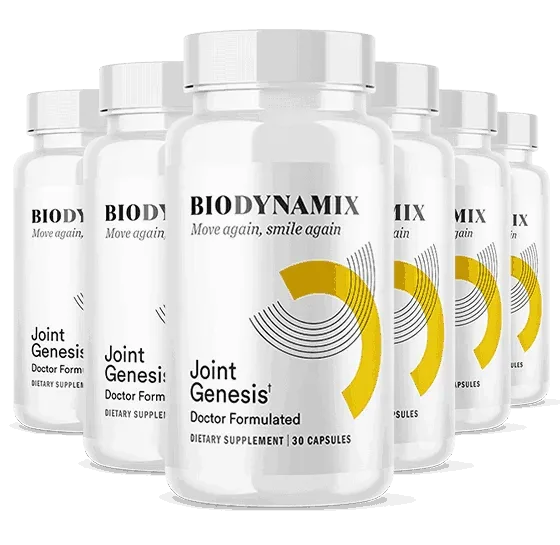
Get Joint Genesis Now →Mobilee® Technology – 14 Clinical Trials – 180-Day Guarantee
Want to Add a Targeted Joint Supplement?
We reviewed Joint Genesis — the only supplement we've found built around Mobilee®, the patented hyaluronic acid compound that targets synovial fluid directly. Read our full analysis.
Read Our Joint Genesis Review →Editorial review. Affiliate link present. Not medical advice.